How Eri Silk is Sustainably Produced
- HR NEHHDC
- Oct 14, 2025
- 4 min read

Sustainability in textiles is no longer a trend but a necessity. As we explore the world of natural fibers, one material stands out for its unique blend of tradition, ethics, and environmental care - Eri silk. This fabric is not just a luxury; it is a symbol of responsible production and community empowerment. Today, we dive deep into how sustainable Eri silk production is transforming the fashion industry and why it deserves our attention.
Understanding Sustainable Eri Silk Production
Sustainable Eri silk production is a process rooted in respect for nature and human dignity. Unlike conventional silk, which often involves killing silkworms, Eri silk is harvested without harm. The silkworms complete their life cycle, making this silk a cruelty-free option. This ethical approach aligns perfectly with the growing demand for sustainable textiles.
The production begins with the cultivation of castor leaves, the primary food for Eri silkworms. These leaves are grown without harmful pesticides, ensuring a chemical-free environment. The silkworms spin their cocoons naturally, and once they emerge as moths, the cocoons are collected for spinning. This method preserves the life of the silkworms and supports biodiversity.
Local communities, especially women, play a vital role in this process. They engage in sericulture, spinning, and weaving, which provides them with sustainable livelihoods. This inclusive economic growth is a cornerstone of sustainable Eri silk production, fostering social equity alongside environmental care.

The Environmental Benefits of Sustainable Eri Silk Production
One of the most compelling reasons to support sustainable Eri silk production is its minimal environmental footprint. The entire process uses renewable resources and avoids toxic chemicals. Here are some key environmental benefits:
Biodegradability: Eri silk is 100% natural and decomposes without leaving harmful residues.
Low Water Usage: Compared to cotton and synthetic fibers, Eri silk requires significantly less water.
Reduced Carbon Emissions: The traditional methods used in Eri silk production consume less energy and emit fewer greenhouse gases.
Soil Health: Castor plants improve soil quality and prevent erosion, contributing to sustainable agriculture.
By choosing products made from Eri silk, we support a cycle that nurtures the earth rather than depletes it. This fabric is a testament to how fashion can be both beautiful and responsible.

What is Eri Silk Also Known As?
Eri silk is often referred to as the "Fabric of Peace." This name reflects its unique production process that respects the life of the silkworms. Unlike other silks, where the pupae are boiled alive to extract the fiber, Eri silk allows the moth to emerge naturally. This humane approach is why it is sometimes called "Ahimsa silk," derived from the Sanskrit word for non-violence.
The texture of Eri silk is distinct - it is soft, warm, and has a woolly feel, making it ideal for cooler climates. Its durability and breathability add to its appeal, especially for those seeking sustainable alternatives to synthetic fabrics.
This silk has a rich cultural heritage, particularly in Assam, India, where traditional sericulture has been practiced for centuries. The knowledge and skills have been passed down through generations, preserving a unique artisanal craft that supports local economies.

How Communities Benefit from Sustainable Eri Silk Production
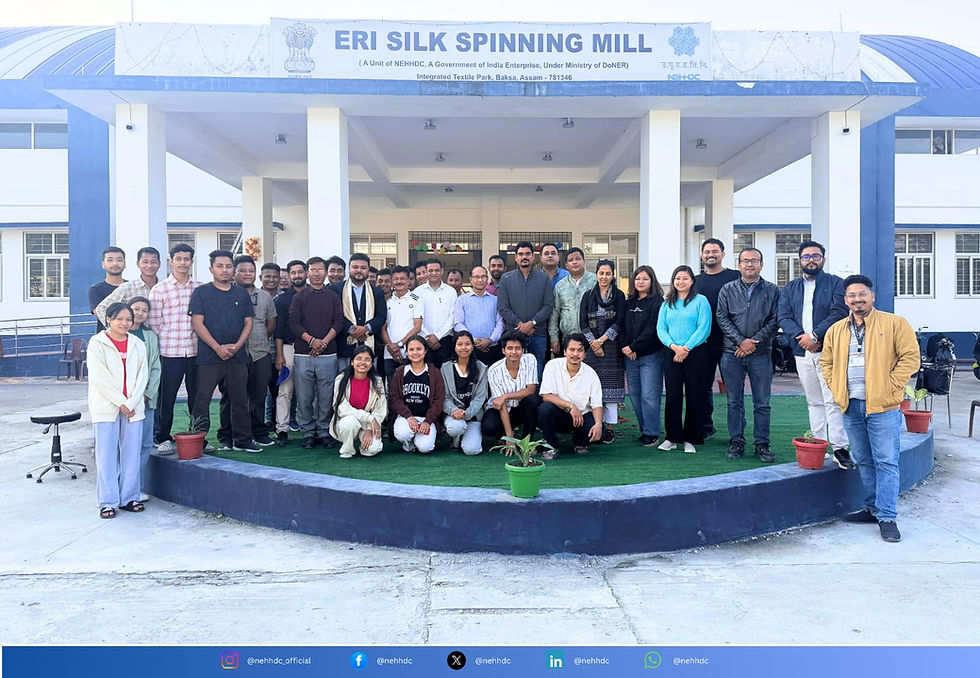
Sustainable Eri silk production is more than an environmental initiative; it is a social movement. The NEHHDC Eri Silk Spinning Mill exemplifies this by empowering local communities, especially women. Here’s how:
Economic Empowerment: Women gain financial independence by participating in sericulture and silk processing.
Skill Development: Training programs enhance traditional skills and introduce modern techniques.
Preservation of Heritage: By valuing traditional methods, communities maintain their cultural identity.
Inclusive Growth: Profits from silk production are reinvested in community welfare projects.
This model creates a virtuous cycle where ethical production leads to social upliftment. It invites us to rethink how fashion can be a force for good, supporting not just consumers but the people behind the fabric.
Practical Tips for Supporting Sustainable Eri Silk
If you are inspired by the story of sustainable Eri silk production, here are some practical ways to support this ethical fabric:
Choose Certified Products: Look for Eri silk items from trusted sources like NEHHDC Eri Silk, which adhere to sustainable and ethical standards.
Educate Consumers: Share the benefits of cruelty-free silk with your network to raise awareness.
Collaborate with Artisans: Fashion brands can partner with local producers to create exclusive collections that highlight traditional craftsmanship.
Promote Transparency: Encourage brands to disclose their supply chain practices to ensure authenticity.
Invest in Innovation: Support research into improving sericulture techniques that enhance sustainability.
By taking these steps, we contribute to a fashion ecosystem that values quality, ethics, and environmental stewardship.
Embracing a Future with Sustainable Eri Silk
The journey of sustainable Eri silk production is a compelling example of how tradition and innovation can coexist. It challenges us to think beyond fast fashion and embrace materials that honor life and nature. As we move forward, supporting such initiatives will be crucial in building a more ethical and sustainable textile industry.
Let us celebrate the artisans, the silkworms, and the land that make this fabric possible. Together, we can weave a future where fashion is not just about style but also about responsibility and respect.
Are you ready to explore the world of sustainable Eri silk and make a positive impact? The opportunity is here, inviting us all to be part of this beautiful transformation.


Comments