Understanding the Cost of Eri Silk Yarn: A Deep Dive into Ethical Luxury
- HR NEHHDC
- Feb 9
- 4 min read

Eri silk yarn holds a special place in the world of sustainable textiles. Known for its unique texture, warmth, and eco-friendly production, Eri silk is more than just a fabric - it’s a story of tradition, community, and conscious choices. But what exactly influences the cost of Eri silk yarn? Why does it often command a premium price compared to other silks? Today, we explore the factors shaping the cost of Eri silk yarn and why investing in it means supporting ethical fashion and preserving cultural heritage.
What Determines the Cost of Eri Silk Yarn?
When we talk about the cost of Eri silk yarn, several key elements come into play. Unlike mass-produced synthetic fibers, Eri silk is crafted through a labor-intensive, sustainable process that respects both nature and the animals involved. Here are the main factors influencing its price:
Raw Material Quality: Eri silk is produced from the cocoons of the Samia ricini moth. These cocoons are harvested without killing the pupae, making it a cruelty-free silk. The quality of these cocoons directly affects the yarn’s texture and durability.
Labor and Craftsmanship: Skilled artisans spin the yarn by hand or with traditional spinning wheels. This manual process requires time, patience, and expertise, which adds to the cost.
Sustainable Practices: Eri silk production emphasizes organic farming of castor plants (the moth’s food source) and eco-friendly dyeing methods. These sustainable practices often cost more than conventional industrial methods.
Limited Production Scale: Eri silk is primarily produced in Assam, India, by small-scale cooperatives and women’s self-help groups. The limited scale and community-based approach mean less mass production and higher per-unit costs.
Market Demand and Positioning: As more conscious brands and consumers seek cruelty-free and sustainable textiles, demand for Eri silk yarn rises, influencing its market price.
Understanding these factors helps us appreciate why the cost of Eri silk yarn reflects not just the material itself but the values and efforts behind it.

Exploring the Cost of Eri Silk Yarn in Today’s Market
Let’s take a closer look at the current market dynamics affecting the cost of Eri silk yarn. Prices can vary depending on the source, quality, and quantity purchased. For example, yarn spun from pure, hand-harvested cocoons with no chemical treatments will naturally cost more than blended or machine-processed alternatives.
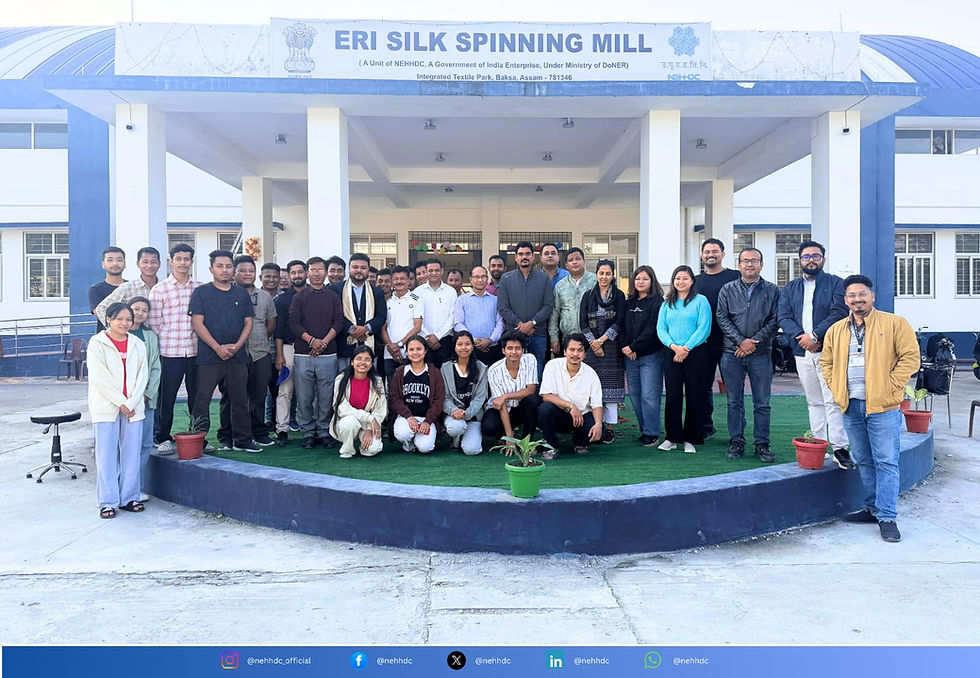
The NEHHDC Eri Silk Spinning Mill, a pioneer in ethical and sustainable Eri silk production, offers high-quality yarn that supports local communities and preserves Assam’s sericulture heritage. Their commitment to cruelty-free practices and empowering women artisans adds intrinsic value to their products.
If you’re curious about the eri silk yarn price, you’ll find that it reflects the balance between ethical sourcing, craftsmanship, and market demand. While it may be higher than conventional silk yarns, the investment supports a sustainable supply chain and promotes inclusive economic growth.
Some practical tips when considering the cost:
Buy directly from certified producers or cooperatives to ensure authenticity and fair pricing.
Consider bulk purchases if you’re a brand or designer, as this can reduce per-unit costs.
Factor in the long-term value of durability and timeless appeal, which often outweighs initial price differences.

How to Identify Eri Silk?
Knowing how to identify genuine Eri silk is crucial for anyone investing in this luxurious yarn. Authentic Eri silk has distinct characteristics that set it apart from other silks and synthetic fibers:
Texture and Feel: Eri silk yarn is soft, warm, and has a slightly woolly texture. It feels cozy against the skin, unlike the smooth, glossy feel of mulberry silk.
Color: Natural Eri silk yarn usually comes in off-white, cream, or light beige shades. It can be dyed but retains a matte finish rather than a shiny one.
Weight and Warmth: Eri silk is heavier and warmer than other silks, making it ideal for winter garments and accessories.
Fiber Structure: Under a microscope, Eri silk fibers appear more irregular and less uniform than mulberry silk, reflecting its wild silk origin.
Source Verification: Purchasing from trusted sources like NEHHDC ensures the yarn is ethically produced and authentic.
To test Eri silk at home, you can try a simple burn test (with caution): Eri silk burns slowly and smells like burnt hair, unlike synthetic fibers that melt and smell like plastic. However, the best way to identify Eri silk is through trusted suppliers and certifications.
Why Choose Eri Silk Yarn? The Value Beyond Price
We often ask ourselves - is the higher cost of Eri silk yarn justified? The answer lies in the broader impact of choosing this fiber. Here’s why Eri silk is worth every penny:
Ethical and Cruelty-Free: Unlike traditional silk, Eri silk production does not harm the silkworms. This aligns with the values of conscious consumers and brands.
Sustainability: Eri silk supports organic farming and reduces chemical use, protecting ecosystems and biodiversity.
Empowering Communities: The production process involves local artisans, especially women, providing fair wages and preserving cultural heritage.
Durability and Comfort: Eri silk’s warmth and strength make it a practical choice for high-quality garments that last.
Unique Aesthetic: Its matte finish and natural texture offer a distinct look that stands out in the fashion world.
By investing in Eri silk yarn, we contribute to a textile industry that values people and planet over mass production and exploitation.
How to Make the Most of Your Investment in Eri Silk Yarn
If you’re considering incorporating Eri silk yarn into your products or personal projects, here are some actionable recommendations to maximize value:
Source Responsibly: Choose suppliers who are transparent about their production methods and support local communities.
Educate Your Customers: Share the story behind Eri silk yarn to highlight its ethical and sustainable qualities.
Experiment with Blends: Combine Eri silk with other natural fibers like cotton or wool to create unique textures and price points.
Focus on Quality Over Quantity: Prioritize fewer, well-crafted pieces that showcase the yarn’s beauty and durability.
Support Innovation: Collaborate with textile innovators who explore new ways to use Eri silk in fashion and home textiles.
By following these steps, we not only honor the tradition of Eri silk but also help build a future where ethical luxury is accessible and celebrated.
Eri silk yarn is more than just a material - it’s a commitment to sustainability, community empowerment, and timeless quality. Understanding the cost of eri silk yarn helps us appreciate the true value behind this exquisite fiber. Let’s continue to support ethical production and embrace the beauty of Eri silk in our conscious fashion choices.


Comments