How Eri Silk is Made at Mills
- HR NEHHDC
- Dec 8, 2025
- 4 min read

When we think about silk, we often imagine luxury, softness, and elegance. But have you ever wondered how this exquisite fabric comes to life, especially when it is produced ethically? Today, we take a closer look at the fascinating process of making silk at mills, focusing on the unique and sustainable craft of ethical silk production. This journey not only reveals the intricate steps involved but also highlights the importance of preserving traditional methods while embracing modern values.
Understanding Ethical Silk Production
Ethical silk production is more than just a buzzword. It represents a commitment to sustainability, cruelty-free practices, and social responsibility. Unlike conventional silk production, which often involves boiling silkworms alive inside their cocoons, ethical silk production respects the life cycle of the silkworms. This approach aligns with the values of conscious fashion brands and textile innovators who seek to minimize harm and maximize positive impact.
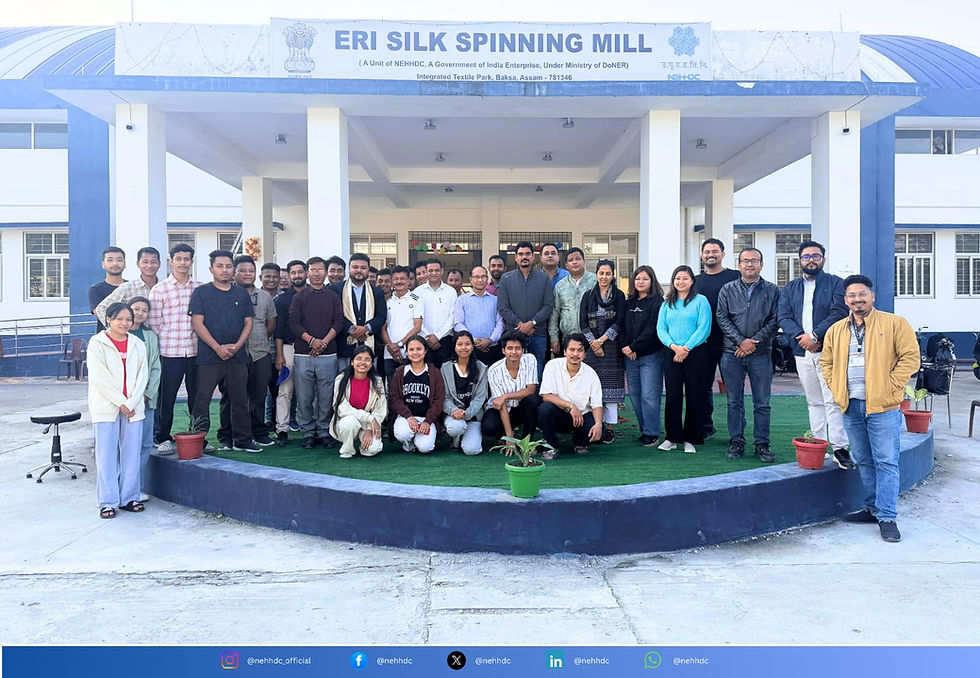
At the heart of ethical silk production is the use of eri silk, a type of silk that is spun from open-ended cocoons. This means the silkworms are allowed to emerge naturally, making the process completely non-violent. The NEHHDC Eri Silk Spinning Mill is a shining example of this philosophy in action. They combine traditional Assamese sericulture with modern techniques to produce high-quality, cruelty-free silk that supports local communities and empowers women.

The Step-by-Step Process of Making Silk at Mills
The journey of silk from cocoon to fabric is a meticulous one. Each step requires skill, patience, and care to ensure the final product meets the highest standards of quality and ethics. Let’s walk through the main stages involved in making silk at mills, especially focusing on the unique aspects of ethical production.
1. Cultivating Silkworms and Harvesting Cocoons
The process begins with sericulture - the cultivation of silkworms. In ethical silk production, silkworms are raised on host plants like castor leaves, which are abundant in Assam. The worms spin their cocoons over several days, creating a protective casing of silk fibers.
Unlike traditional silk, where cocoons are boiled with the pupae inside, ethical mills wait for the silkworms to emerge naturally. This results in open-ended cocoons, which are then collected carefully for the next stage.
2. Sorting and Cleaning the Cocoons
Once harvested, the cocoons undergo sorting to separate the best quality ones. This step is crucial because the quality of the cocoon directly affects the texture and strength of the silk thread. After sorting, the cocoons are cleaned to remove impurities such as dirt and leftover pupae.
3. Reeling and Spinning the Silk Threads
Here is where the magic truly begins. In ethical silk production, the open-ended cocoons cannot be reeled like traditional silk. Instead, the fibers are spun into yarn, much like cotton or wool. This spinning process requires skilled artisans who carefully draw out the fibers and twist them into strong, smooth threads.
The NEHHDC Eri Silk Spinning Mill uses both hand spinning and mechanized spinning to maintain consistency while preserving the artisanal touch. This blend of tradition and technology ensures that the silk threads are durable and soft, ready for weaving.

4. Dyeing and Weaving
After spinning, the silk yarn is dyed using natural or eco-friendly dyes to maintain the fabric’s sustainability credentials. The dyed yarn is then woven into fabric using traditional looms. This stage is where the fabric takes shape, showcasing intricate patterns and textures that reflect Assam’s rich cultural heritage.
5. Finishing and Quality Control
The final steps involve finishing the fabric to enhance its softness and sheen. Quality control checks ensure that every meter of silk meets the high standards expected by ethical fashion brands and consumers. The finished fabric is then ready to be transformed into beautiful garments and accessories.
Why Choose Ethical Eri Silk?
You might ask, why should we choose ethical silk over conventional options? The answer lies in the values and benefits that ethical silk production brings to the table.
Cruelty-Free: Ethical silk respects the life of silkworms, allowing them to complete their natural life cycle.
Sustainable: The process uses renewable resources and eco-friendly dyes, reducing environmental impact.
Empowering Communities: Mills like NEHHDC support local artisans, especially women, providing fair wages and preserving traditional skills.
High Quality: The careful spinning and weaving produce a fabric that is soft, durable, and unique in texture.
Cultural Preservation: Ethical silk production helps keep Assam’s sericulture heritage alive, blending tradition with innovation.
By choosing products made from eri silk, we support a system that values people, planet, and product equally.
The Future of Ethical Silk Production
As we look ahead, the future of ethical silk production shines bright. With growing awareness and demand for sustainable textiles, mills are innovating to scale up production without compromising ethics. Technology plays a supportive role, enhancing efficiency while respecting artisanal methods.
Moreover, collaborations between conscious fashion brands and ethical mills create new opportunities for inclusive economic growth. These partnerships help bring the beauty of ethical silk to global markets, inspiring consumers to make mindful choices.
We invite you to explore this world of ethical silk production, where every thread tells a story of care, tradition, and hope. Together, we can weave a future that honors both nature and humanity.
Thank you for joining us on this journey through the making of silk at mills. We hope this insight inspires you to appreciate the craftsmanship and values behind every piece of ethical silk you encounter.


Comments