Exploring Fair Trade Practices in Silk Yarn
- HR NEHHDC
- 4 days ago
- 4 min read

Silk yarn has long been admired for its luxurious texture and natural sheen. Yet, behind this elegant fiber lies a complex story of production, labor, and sustainability. As we explore the world of silk yarn, it becomes clear that ethical considerations are more important than ever. Today, we dive into the practices that define fair trade in silk yarn, shedding light on how this ancient craft can evolve to support communities and the environment alike.
Understanding Fair Trade Silk Yarn
Fair trade silk yarn is not just about the final product; it’s about the entire journey from cocoon to fabric. Fair trade practices ensure that the people involved in silk production receive fair wages, work in safe conditions, and benefit from community development programs. This approach also emphasizes environmental stewardship, reducing harmful chemicals and promoting sustainable farming methods.
When we talk about fair trade silk yarn, we refer to a system that values transparency and accountability. For example, many fair trade certified silk producers work closely with local farmers, especially women, empowering them through training and fair compensation. This empowerment helps preserve traditional sericulture techniques while fostering economic independence.
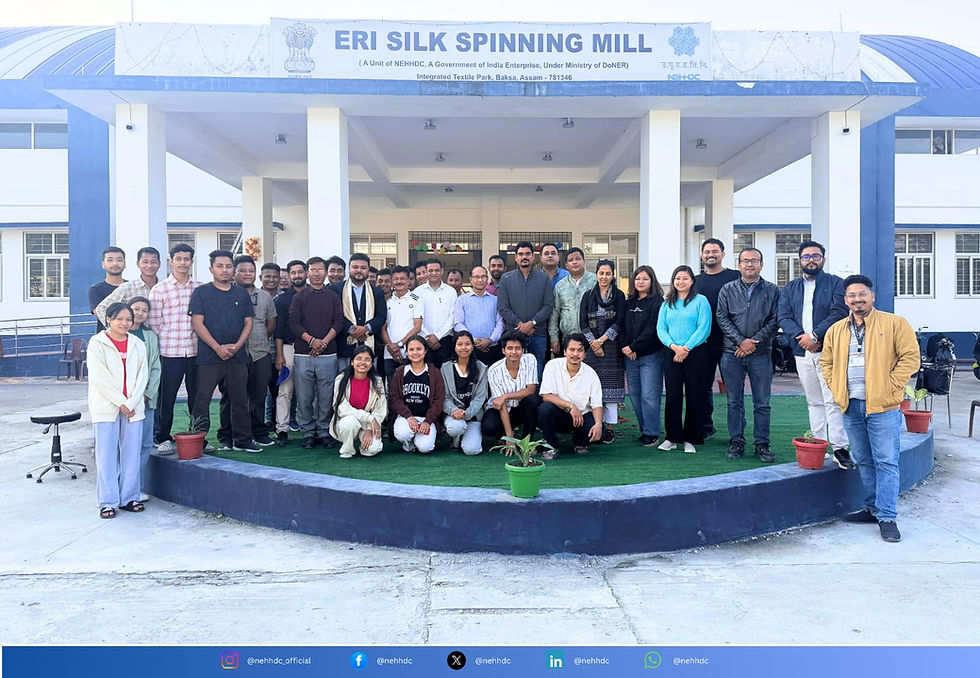
By choosing fair trade silk yarn, brands and consumers support a cycle of positive impact. It’s a commitment to quality that respects both people and the planet. This is why organizations like the NEHHDC Eri Silk Spinning Mill are crucial—they aim to become global leaders in ethical and sustainable Eri silk production, preserving Assam’s rich sericulture heritage and promoting inclusive growth.

The Role of Fair Trade in Sustainable Silk Production
Sustainability in silk production goes hand in hand with fair trade principles. Traditional silk farming can be resource-intensive and sometimes exploitative. Fair trade initiatives address these issues by promoting practices that reduce environmental impact and improve social conditions.
For instance, fair trade silk producers often avoid harmful pesticides and synthetic fertilizers, opting for organic farming methods. This not only protects the soil and water but also ensures healthier working environments for farmers. Additionally, fair trade standards encourage the use of renewable energy and waste reduction techniques in silk processing.
Social sustainability is equally important. Fair trade certification requires transparent labor practices, including fair wages, reasonable working hours, and safe workplaces. It also supports community projects such as education, healthcare, and infrastructure improvements. These efforts create a more resilient and empowered workforce, which in turn enhances the quality and consistency of silk yarn.
By integrating these sustainable practices, fair trade silk yarn becomes a symbol of responsible craftsmanship. It invites us to rethink how luxury textiles can be produced without compromising ethics or ecology.
Is there ethically sourced silk?
Ethically sourced silk is a growing focus within the textile industry. Unlike conventional silk, which often involves the killing of silkworms to harvest fibers, ethical silk production seeks cruelty-free alternatives. One notable example is Eri silk, also known as peace silk, which allows silkworms to complete their life cycle before harvesting the fibers.
Ethical sourcing also means transparency in the supply chain. Producers committed to ethical silk provide clear information about their farming and processing methods. This transparency builds trust with consumers and brands who prioritize social responsibility.
Moreover, ethical silk production supports biodiversity by encouraging traditional sericulture practices that coexist with local ecosystems. It also promotes fair labor conditions, especially for women who play a significant role in silk farming communities.
Choosing ethically sourced silk means supporting a textile industry that values life, community, and the environment. It challenges us to appreciate silk not just for its beauty but for the story it carries.

How Fair Trade Impacts Local Communities
One of the most inspiring aspects of fair trade silk yarn is its impact on local communities. In regions like Assam, India, where sericulture is a traditional livelihood, fair trade initiatives have transformed lives. By ensuring fair wages and safe working conditions, these programs empower artisans and farmers, especially women, who are often the backbone of silk production.
Fair trade organizations invest in skill development, helping workers improve their techniques and increase productivity. This not only raises income levels but also preserves cultural heritage. For example, the NEHHDC Eri Silk Spinning Mill supports local women by providing training and employment opportunities, fostering economic independence and social inclusion.
Community development projects funded by fair trade premiums often include education, healthcare, and infrastructure improvements. These initiatives create a ripple effect, enhancing overall quality of life and enabling sustainable growth.
Supporting fair trade silk yarn means supporting these communities directly. It’s a way to honor tradition while promoting progress, ensuring that the benefits of silk production are shared equitably.
Practical Steps to Support Fair Trade Silk Yarn
If you’re inspired to make a difference through your choices, here are some practical steps to support fair trade silk yarn:
Research Brands and Suppliers - Look for companies that are transparent about their sourcing and have fair trade certifications or partnerships.
Ask Questions - Don’t hesitate to inquire about the origin of silk yarn and the conditions under which it was produced.
Choose Peace Silk Options - Consider ethical silk varieties like Eri silk that prioritize animal welfare.
Support Local and Artisanal Producers - Buying directly from cooperatives or mills that follow fair trade principles helps sustain communities.
Promote Awareness - Share information about fair trade silk yarn with your network to encourage more conscious purchasing decisions.
By taking these steps, we contribute to a more ethical and sustainable textile industry. Every choice matters, and together, we can drive positive change.
Embracing a Future of Ethical Silk Production
The journey of silk yarn from cocoon to cloth is a story of tradition, craftsmanship, and community. Embracing fair trade practices ensures that this story is one of respect and responsibility. As we explore the possibilities of ethical silk production, we see a future where luxury and sustainability coexist harmoniously.
The NEHHDC Eri Silk Spinning Mill exemplifies this vision by preserving Assam’s sericulture heritage while empowering local women and promoting inclusive economic growth. Their commitment to high-quality, cruelty-free products sets a benchmark for the industry.
We invite you to join this movement by choosing fair trade silk yarn and supporting initiatives that prioritize people and the planet. Together, we can weave a more ethical and sustainable future for silk.
Let’s celebrate silk not only for its beauty but for the values it represents. After all, every thread tells a story worth sharing.


Comments